
Spices
1. Green Cardamom
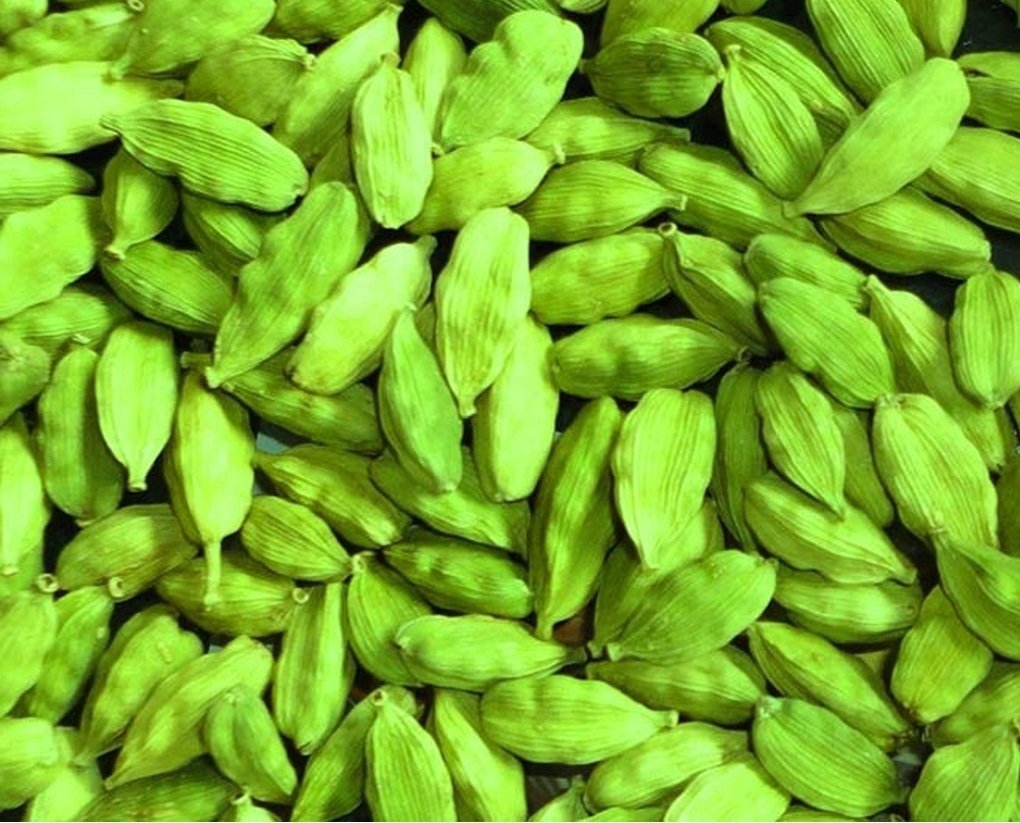
Green cardamom, often called the “Queen of Spices,” is prized for its aromatic, sweet, and slightly citrusy flavor, making it a culinary treasure worldwide. Cultivated primarily in the lush regions of Kerala, Karnataka, and Tamil Nadu, Indian green cardamom is known for its exceptional quality, rich aroma, and vibrant green pods. This spice enhances both sweet and savory dishes—from curries, rice, and desserts to teas and coffees—adding a unique depth of flavor.
Beyond its culinary uses, green cardamom is valued for its health benefits. It aids digestion, freshens breath, and is packed with antioxidants that support respiratory health. Its distinctive flavor and versatility make it an essential ingredient in Indian cuisine and a premium choice for chefs and home cooks across the globe seeking authentic flavor.
2. Clove
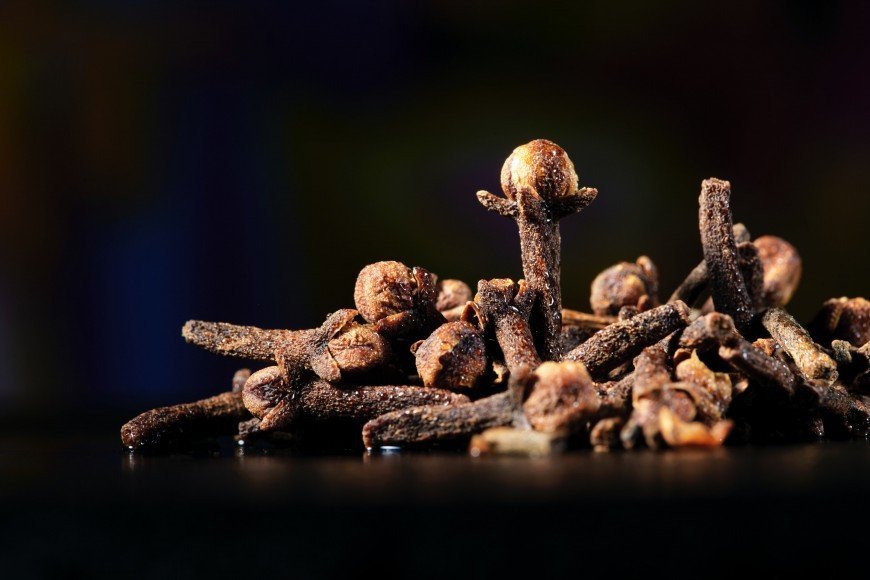
Indian clove, known as Laung in Hindi, is an aromatic spice derived from the dried flower buds of the Syzygium aromaticum tree. Grown mainly in southern states like Tamil Nadu, Kerala, and Karnataka, Indian cloves are cherished for their intense, warm, and slightly sweet flavor, as well as their strong, pungent aroma. They are an essential spice in Indian cuisine, adding depth to curries, biryanis, spice blends like garam masala, and various sweets and teas. Beyond culinary uses, cloves are valued for their medicinal properties; they aid digestion, relieve toothaches, and possess antimicrobial and anti-inflammatory benefits. Rich in essential oils, particularly eugenol, Indian cloves are also used in Ayurvedic remedies, perfumes, and dental care products. India produces high-quality cloves, both for domestic consumption and export, contributing significantly to the global spice trade with their superior taste and aroma
3. Mace
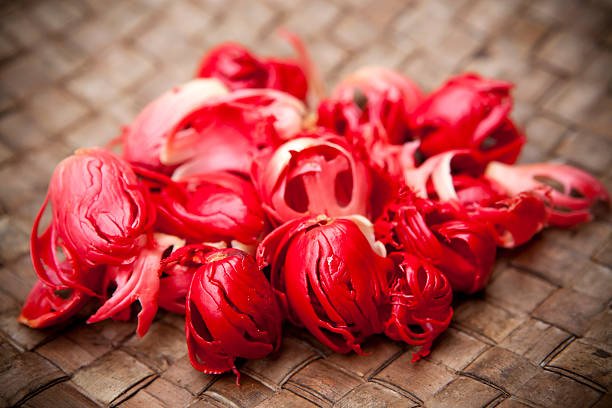
Indian mace, known as Javitri in Hindi, is a vibrant, aromatic spice derived from the lacy covering, called the aril, of the nutmeg seed (Myristica fragrans). Cultivated mainly in Kerala, Karnataka, and parts of Tamil Nadu, Indian mace is treasured for its warm, slightly sweet flavor with hints of pepper and cinnamon. Unlike nutmeg, mace has a lighter, more delicate taste, making it a favored spice in both sweet and savory dishes. It’s widely used in Indian cuisine to enhance curries, biryanis, kebabs, and rich gravies, lending a beautiful aroma and golden hue. Beyond culinary uses, mace offers medicinal benefits, aiding digestion, improving appetite, and possessing anti-inflammatory properties. Rich in essential oils and antioxidants, it also finds use in traditional medicine and perfumery. India exports high-quality mace, prized in global markets for its superior flavor and vibrant color